

Lake Erie Walleye Charters — Spring Run & Fall Brawl
Captain Ryan Foster runs guided walleye trips on Lake Erie during two of the biggest windows on the calendar: the spring spawning run and the fall migration, home to the Fall Brawl. Lake Erie doesn't just have a lot of walleye — it's widely called the Walleye Capital of the World, and for good reason.
The Water You're Fishing


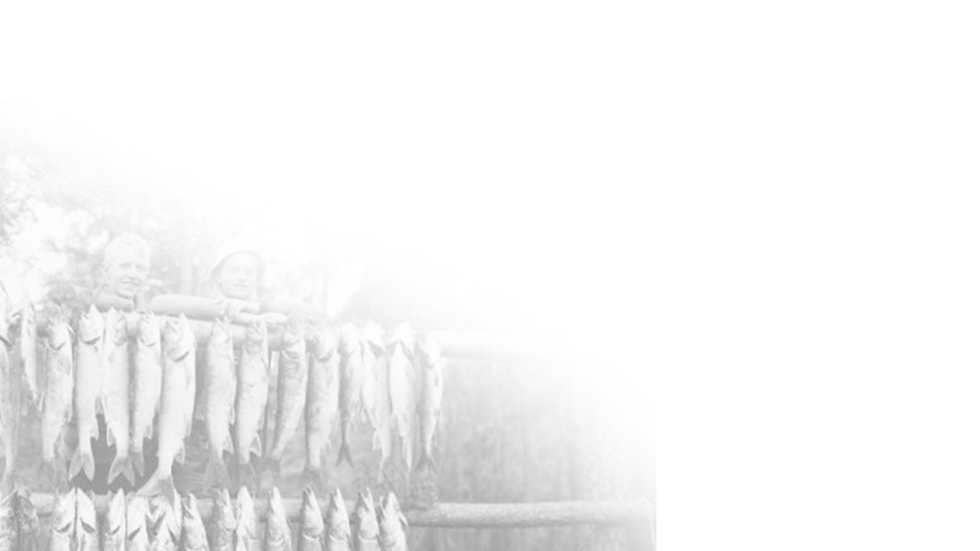
It's easy to take Lake Erie's walleye fishing for granted today, but it wasn't always this good. By the 1960s, decades of pollution had turned the lake into what one longtime Ohio fisheries biologist bluntly described as pea-green soup, and the walleye fishery had all but collapsed.
Few people at the time believed it would ever recover. The Clean Water Act of 1972 changed that trajectory, and through the 1980s, cleaner water combined with strong natural reproduction to spark one of the great fisheries comebacks in the country. That recovery is the reason Lake Erie earned its "Walleye Capital of the World" reputation in the first place, and it's a big part of why the fishing here keeps getting better — recent walleye hatches have been among the strongest on record, and biologists now describe the current era as some of the best walleye fishing the lake has ever seen.
The fishery is also one of the most closely studied in the world. Ohio's Division of Wildlife runs an extensive acoustic tracking program, with listening devices placed across the lake bottom that monitor tagged walleye around the clock — meaning more is known about how these fish move and behave here than almost any other gamefish population in the country.
Target Species
Walleye
Best Times to Fish

Spring Walleye Run (March–May)
The signature event of the year. Walleye migrate toward the Western Basin reef complex between Port Clinton and Toledo to spawn, and fish stage on the reefs and surrounding structure in big numbers. This is prime jigging season, with fish concentrated and aggressive in relatively shallow water.

Summer (June–August)
Walleye move to deeper, cooler water and suspend over structure while following schools of baitfish, making trolling the dominant approach.

Fall Walleye Run / Fall Brawl (September–November)
Walleye push back toward nearshore structure as the water cools, and jigging becomes productive again alongside trolling during the migration. This is the season behind the Fall Brawl — one of the most anticipated stretches of the year for trophy-class fish.
Recommended Bait & Tackle
Spring (reefs/spawn)
Bucktail jigs in the ½ to ¾ oz range — purple is a proven color on the Western Basin reef complex — worked with a lift-and-fall retrieve, drifting with the wind and using a drift sock to control speed when needed. Blade baits are a strong alternative in the same areas.
Summer (trolling)
Crankbaits (Reef Runners, Bandits, Flicker Minnows) and worm harnesses run behind inline weights or dipsy divers, trolled at roughly 1.5–2.5 mph. Natural colors in clear water, brighter colors in stained or murky conditions.
Fall (jigging/transition)
Vertical jigging with hair jigs or blade baits over reefs and nearshore structure; bottom bouncers rigged with worm harnesses (copper or willow blades, green or chartreuse beads) fished slow around reef edges.
Spring (shallow/staging)
Light jigs tipped with a minnow, or slow-trolled 4–6 inch stickbaits through the upper part of the water column.
General gear
Medium-fast spinning rods in the 6'6"–7' range with braided line and a fluorocarbon leader for jigging; medium-heavy trolling rods with line-counter reels for trolling presentations.

Services
-
Fully guided walleye trips during the spring run and Fall Brawl season
-
Airboat transportation to and from fishing locations when conditions require it, providing safe access across hazardous ice or unstable conditions
-
Electronics, rods, bait, and tackle all provided
Areas Served
Sandusky, Port Clinton, Huron, Vermilion, Toledo
What to Bring
Sunglasses, hat, sunscreen, warm clothing, rain gear, camera, medications, food and beverages, cooler with ice, and your current fishing license
(Wisconsin, Minnesota, or Iowa depending on which pool/side you're fishing).